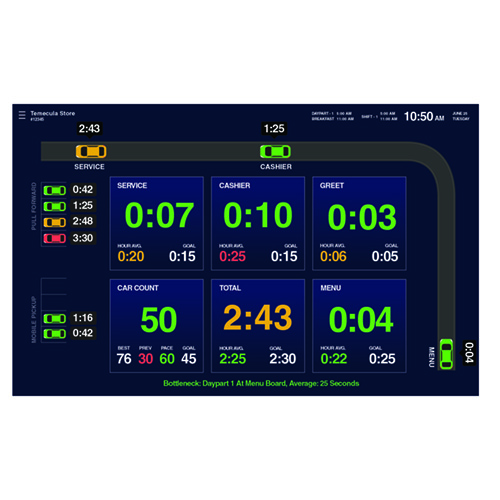
A drive-thru can feel busy without being productive. Cars may be moving, employees may be working hard, and the kitchen may be full—yet guests still experience long waits. Without objective data, managers are left to guess where time is being lost.
A drive-thru timer turns the customer journey into measurable information. It can show when a vehicle enters a detection point, how long it remains at key stages, and where the line begins to slow. The result is not merely a score on a screen. Used well, timer data becomes a practical tool for staffing, coaching, process improvement, and guest satisfaction.
See the bottleneck instead of guessing
A slow total time can have many causes: order-taking delays, production backups, payment issues, or congestion at pickup. A timer helps separate those stages. Managers can compare dayparts, shifts, and traffic patterns to identify where improvement will have the greatest effect.
This is especially useful when a restaurant adds mobile pickup, pull-forward spaces, or multiple lanes. Modern timer configurations can monitor more than the traditional menu board and window sequence.
Respond before a long wait becomes a lost sale
Drive-offs are costly because the restaurant loses both the immediate transaction and potentially a future visit. Some timer systems can identify vehicles that leave the queue and alert the team to a developing problem. Real-time alerts also help managers intervene when a lane time crosses a chosen threshold.
The objective is not to pressure employees with a stopwatch. It is to give the team enough visibility to recover service while the guest is still on site.
Improve staffing and coaching
Historical reports can reveal predictable rushes and show whether staffing plans match actual traffic. Managers can use the same information to coach a specific process: faster greeting, earlier payment preparation, better order staging, or a more effective pull-forward decision.
Gamification and leaderboard features can add positive competition when goals are realistic and paired with accuracy and hospitality. Speed should never be separated from order quality.
Choose a timer around the full operation
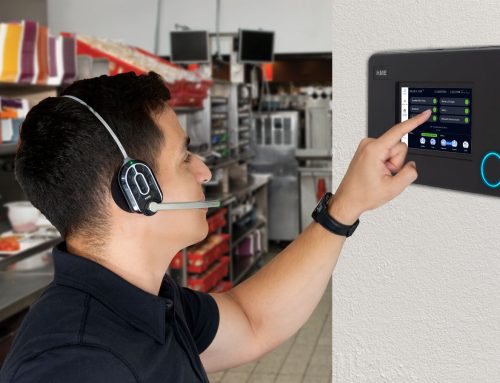
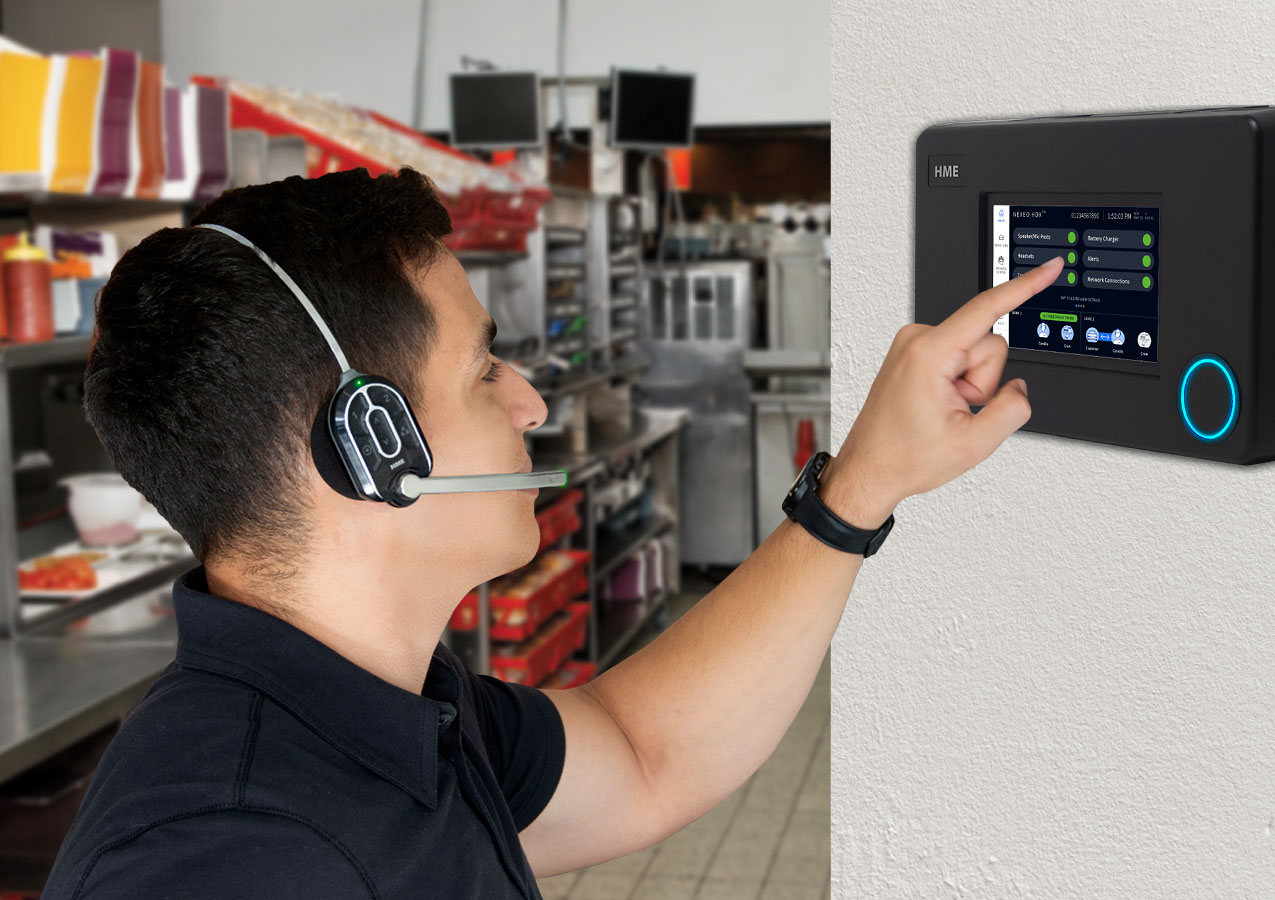
The best configuration depends on lane design, detection technology, reporting needs, POS integration, mobile-order workflow, and whether the brand manages one store or many. HME ZOOM Nitro and PAR drive-thru timer solutions offer different paths to real-time insight and performance reporting.
Taylor’s Communications can evaluate your current detection points, install or upgrade timer equipment, and service timer components. Call (904) 779-8900 to discuss a timer system that makes your drive-thru data useful.