The difference lies in design. A collection of cameras is not the same as a useful surveillance solution. Camera placement, image quality, retention, remote access, user permissions, system health, and integration with other restaurant systems all affect the value of the investment.
Connect video with the transaction
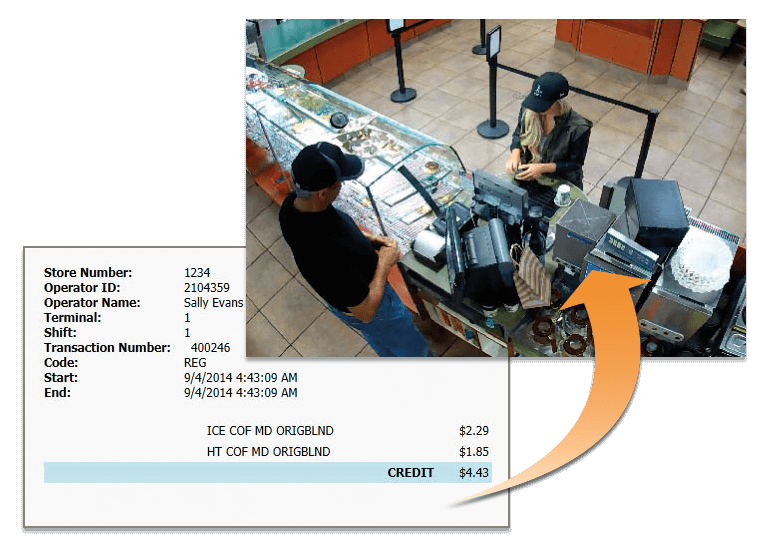
When video and point-of-sale information are brought together, managers can investigate exceptions more efficiently. Instead of reviewing hours of footage, an operator may be able to focus on events such as repeated voids, unusual discounts, refunds, or other transactions that merit review.
This approach supports a fairer, more fact-based investigation. Video should be used under clear company policies and applicable privacy and employment requirements.
Review safety and operating standards
Surveillance can help document slip-and-fall claims, disturbances, property damage, delivery activity, and events around the drive-thru or parking lot. It can also help leadership review whether opening, closing, cleaning, uniform, and promotional procedures are being followed.
For multi-location groups, remote access can reduce the need to travel simply to understand store conditions. Managers can focus on exceptions and follow up with the right location.
Design for the QSR environment
A restaurant has challenging camera locations: backlighting near windows, nighttime drive-thru traffic, heat, moisture, grease, narrow production areas, and busy customer zones. The correct camera type and field of view depend on the purpose of each location. A camera intended to observe a dining area has different requirements from one used at a register, back door, or exterior lane.
Network capacity, recorder storage, cybersecurity practices, and retention goals should be planned at the same time—not added after cameras are installed.
Build a system the team can actually use
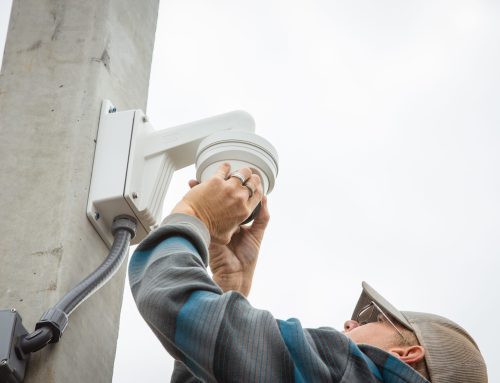
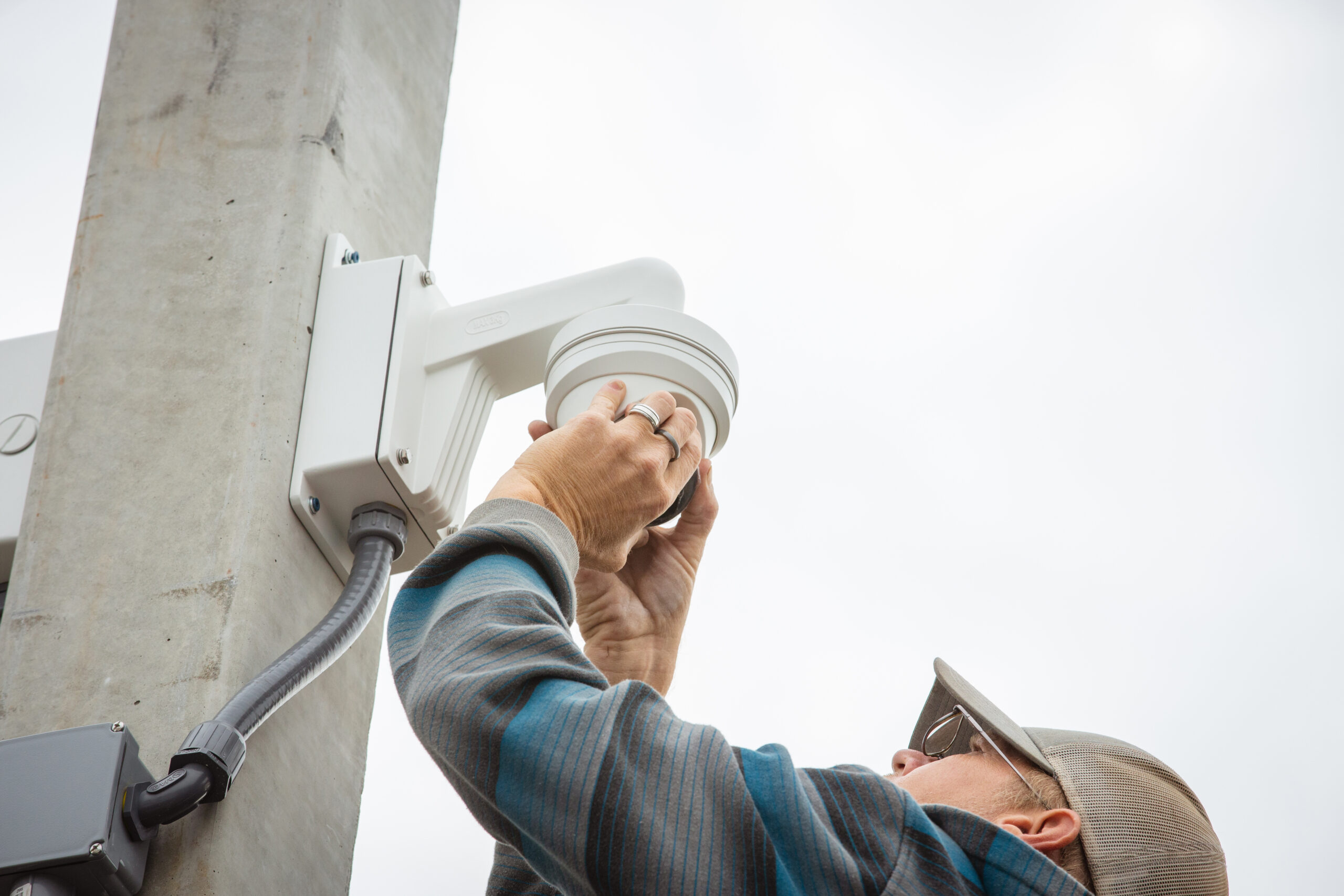
Taylor’s Communications provides digital surveillance solutions for QSR and other commercial environments, including March Networks options that combine video with loss-prevention and operational tools. The team can help plan coverage, install equipment, and support the system after deployment.
If your existing cameras leave blind spots, make incidents hard to find, or cannot be managed reliably, call Taylor’s Communications at (904) 779-8900 for a surveillance assessment.