Prioritize high-use and high-impact items
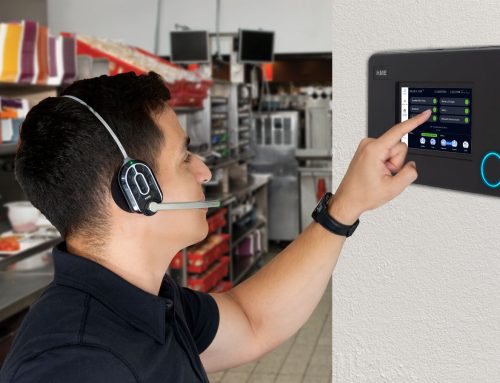
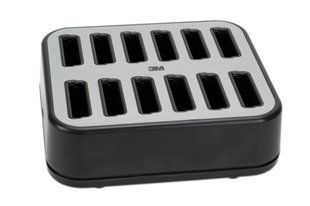
Headset batteries are an obvious starting point because weak runtime can leave the crew short during peak periods. Charging equipment, earpads, windscreens, headbands, carriers, pouches, and other wearable components also experience routine wear. The right list depends on the installed PAR, HME, or legacy system and the number of units used per shift.
Keep at least enough operational capacity to cover the busiest period, plus a practical contingency for charging or headset failure.
Match every part to the exact system
Similar-looking batteries, chargers, cables, and headset accessories are not automatically interchangeable. Before ordering, record the manufacturer, system family, model number, and any part number visible on the existing component. Photos can help confirm compatibility.
Using the correct OEM part supports fit and intended operation. It also reduces the risk of losing time to a return when the restaurant is already short on equipment.
Store and rotate parts correctly
Label spares so employees know which system they serve. Protect small components from heat, moisture, and grease. Rotate rechargeable batteries through normal use rather than leaving some untouched for extended periods, and follow manufacturer guidance for charging, cleaning, and storage.
A monthly inventory check can identify missing headsets, cracked cases, damaged cords, worn pads, weak batteries, and chargers with unavailable slots.
Pair parts with repair and support
A spare component solves only the problem it was selected for. If several batteries suddenly perform poorly, for example, the underlying issue could involve charging practice or the charger itself. Taylor’s Communications offers OEM replacement parts for PAR and HME drive-thru systems, repair service, and free phone troubleshooting—even for equipment not purchased from Taylor’s.
For help identifying a part or building a location-specific spares list, call (904) 779-8900 or visit taylorscommunications.com.