Start with the systems the network must support
A cabling plan should account for current and expected devices, including wired workstations, VoIP phones, wireless access points, surveillance cameras, POS equipment, printers, audio systems, and building technology. Power over Ethernet requirements, port density, equipment-room space, and redundancy may influence both the cable and network hardware design.
Planning these needs together reduces last-minute additions and helps avoid a patchwork of separate runs.
Organization reduces troubleshooting time
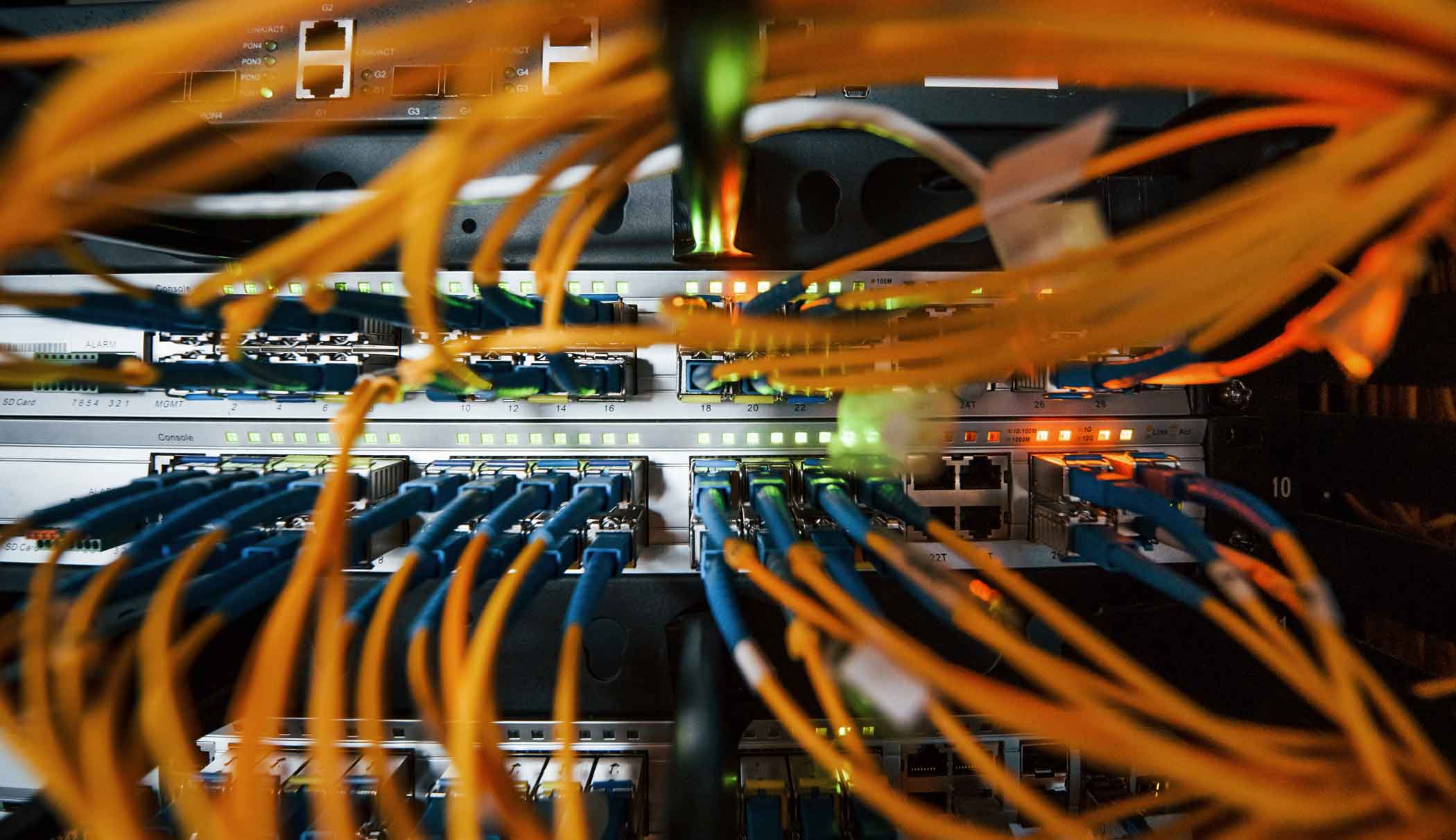
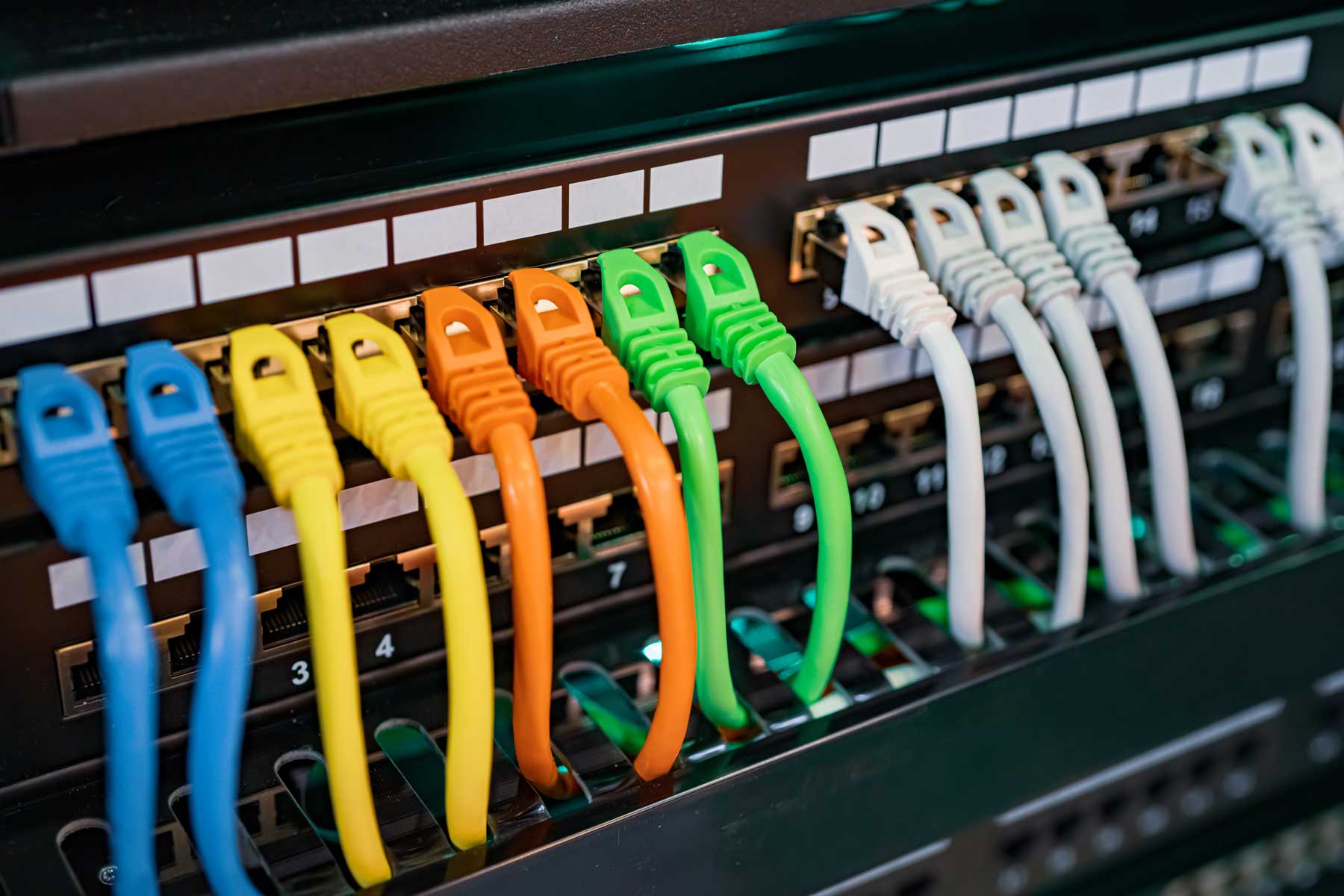
Clear labels at outlets and patch panels allow a technician to trace a circuit quickly. Consistent racks, pathways, patch cords, and diagrams make moves and changes easier. By contrast, unidentified cables and crowded equipment areas increase the risk that an unrelated connection will be disturbed during service.
Good documentation is especially valuable for multi-site operators that want consistent standards across locations.
Testing turns an installation into a verified system
A connection that passes traffic today may still contain a termination or installation defect. Appropriate cable testing helps confirm that installed links meet the intended performance requirements. Results also create a baseline for future troubleshooting.
Cabling should be protected from physical damage, separated from sources of interference, supported correctly, and installed in accordance with applicable codes and the site environment.
Build for reliability, not just activation
Taylor’s Communications designs and installs network and data cabling for commercial environments across Florida and Georgia. Services include Category cabling, fiber, terminations, labeling, test and verification, wireless infrastructure, underground conduit and cabling, and repair.
Whether you are opening a new site, remodeling, adding cameras, or dealing with recurring connectivity problems, call (904) 779-8900 to discuss a cabling plan that supports the way your business actually operates.