
Shop All Drive Thru Replacement Parts
AUTHORIZED PAR & HME DISTRIBUTOR


Find It Fast With Search
Replacement Parts For Drive Thru Systems, Timers, Surveillance Systems and Speaker Posts
FILTER BY MAKE
FILTER BY MODEL
FILTER BY CATEGORY



Check Out Our Frequently Asked Questions About Replacement Parts
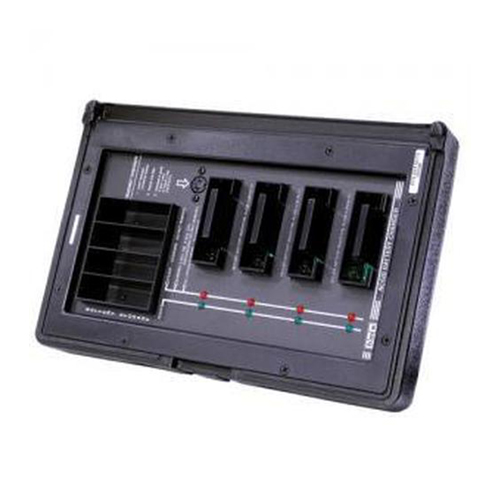
Place it in a clean, dry, ventilated area near the operating team but away from sinks, heat, grease, and heavy traffic. The charger should have stable power, enough clearance for airflow, and a location that allows employees to insert and remove batteries without damaging contacts.
Use the charger and power supply specified for the battery and headset system. A generic or mismatched charger may not control voltage, current, temperature, or battery chemistry correctly. The safest approach is a compatible OEM charging solution.
Test more than one known-compatible battery in the same slot and test the same battery in another working slot. If several batteries fail only in one position, the charger may be the problem. If one battery fails in every position, the battery is more likely at fault. Follow manufacturer instructions or call support before replacing equipment.
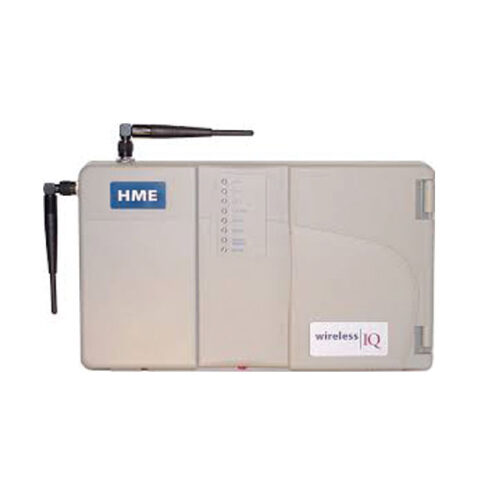
Warning signs include failure to power on, repeated reboots, headsets that will not register, widespread loss of communication, unresponsive controls, network errors, or problems affecting every headset. Power, cabling, lane components, and configuration should be tested before the base station is assumed to be faulty.
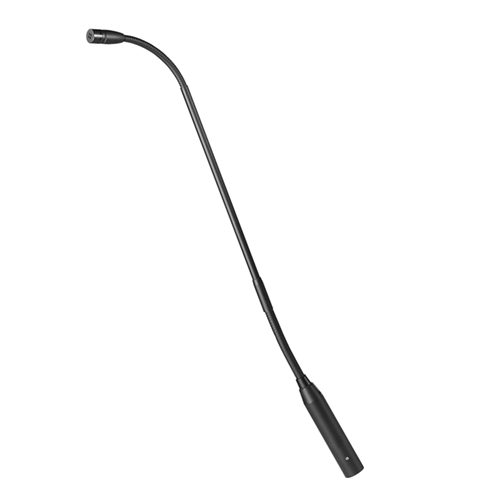
Possibly, but compatibility must be confirmed. Headsets, antennas, lane interfaces, speakers, microphones, detectors, software, and power supplies may be specific to a platform or generation. A system review can identify what can be reused safely and what must be replaced or reconfigured.
The base station coordinates communication between headsets and lane equipment. Depending on the system, it may also manage lane settings, headset registration, greeter messages, audio levels, system health, network connections, integrations, and vehicle-detection functions
Label batteries, rotate them through normal use, keep charger contacts clean, and avoid mixing incompatible battery types. Managers should monitor runtime rather than waiting for complete failure. Keeping a small number of confirmed, charged spares can prevent a weak battery from leaving the crew short during peak service.
No. Batteries are designed for specific headset families and charging systems. Match the manufacturer, headset model, voltage, connector, and part number. Using the wrong battery can prevent proper operation or charging and may damage equipment.
Common signs include noticeably shorter runtime, a battery that will not reach or hold a full charge, unexpected headset shutdowns, swelling, heat, corrosion, or physical damage. Remove any damaged or swollen battery from service and follow the manufacturer’s handling and disposal guidance.
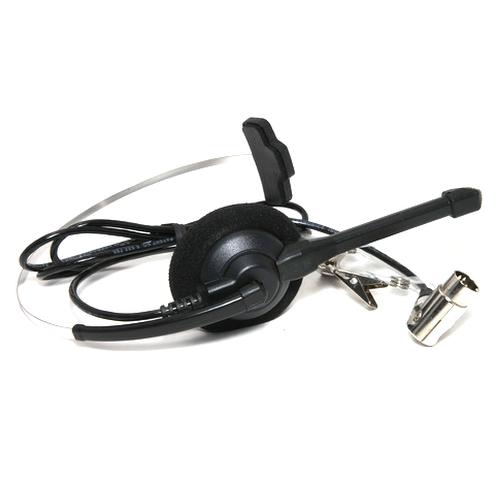
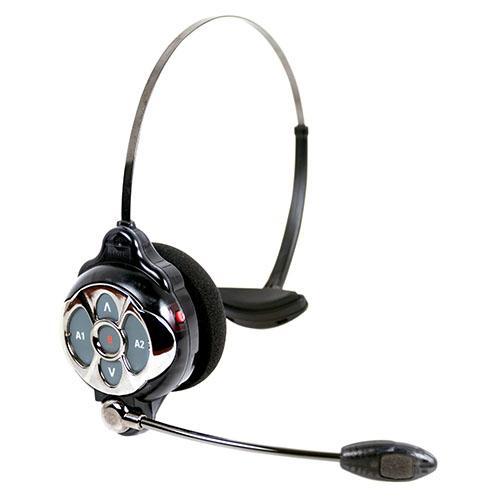
Use approved cleaning practices, store headsets on a rack, avoid pulling or carrying them by the microphone boom, replace worn pads and windscreens, and train employees to remove batteries correctly. Regular inspection can identify cracked housings, loose parts, or weak audio before a headset fails during a busy shift.
Repair may be the best value when the failure is limited to a serviceable housing, headband, microphone boom, control, or internal component. Replacement may make more sense when damage is extensive, failures are recurring, compatible parts are limited, or the unit’s downtime is disrupting operations.
Usually, but the headset must be compatible with the specific system and may need to be registered or paired with the base station. Confirm the model and frequency or platform requirements before purchase. A replacement headset from another system family may look similar but still be incompatible.
A practical spares list often includes batteries, headset wear items, windscreens, earpads, and enough charging capacity to cover peak staffing. The right inventory depends on the system model, number of headsets in service, repair turnaround, and the operational impact of losing a component during a rush.
OEM parts are designed for the intended equipment and help support correct fit, charging, communication, and system performance. They also reduce the risk of delays caused by incompatible components. Taylor’s Communications supplies OEM replacement parts for supported PAR and HME drive-thru systems.
Start with the manufacturer, system family, model number, and any part number printed on the existing component. Photos of the part, connector, label, and base station can also help. Because similar-looking batteries, chargers, cables, and accessories may not be interchangeable, confirm compatibility before ordering.